Hey gardeners!
For many, the first thing that comes to mind when you think of insects in a garden is pests. Whether that’s caterpillars on your tomatoes or flea beetles in your cabbages, they can be a real pain to deal with. Still, it’s important to remember not all insects cause problems. Actually, only about a tenth of the insects in your backyard are destructive; the rest are harmless or even beneficial.
Beneficial insects fall into a couple of broad categories. First, there are the pollinators—bees are the most well-known kind, and there’s also butterflies, moths, and flies. Pollinators (as the name implies) carry pollen from plant to plant and flower to flower, which is an essential part of fertilization, seed development, and eventually fruit production.
More on the importance of pollinators: https://www.fs.usda.gov/managing-land/wildflowers/pollinators/importance
The other kind of beneficial insects are those who combat the spread of insect pests. This takes two forms: predation (i.e. just eating them) and parasitization.
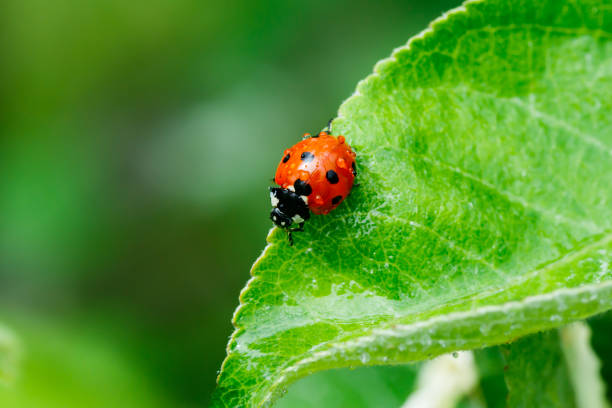
Ladybugs are an excellent example of a beneficial predator. They’re mostly known for eating aphids, but they’ll also prey on a variety of other insects, such as mites, mealybugs, leafhoppers, and even ants—insects that would otherwise be eating the plants in your garden!
More on ladybugs: https://ucanr.edu/blog/real-dirt/article/ladybugs-are-good-your-garden
The most common parasitizers are actually wasps! There are around 7,500 species of parasitoid wasps in North America. The females will lay their eggs on or in their host insects. The larvae will feed on the host as they develop, eventually killing it as they reach maturity. Depending on the species, the host can be just about anything, including common pests—grasshoppers, caterpillars, aphids, and beetles, to name a few.
Also, it’s important to note: adult parasitoid wasps are solitary, meaning they don’t build or live in hives the way other wasps do, and they don’t sting or bite people. They’re trouble for pests, but not for us!
More on parasitoid wasps: https://extension.umn.edu/beneficial-insects/parasitoid-wasps
Beneficial insects in general:
https://www.xerces.org/blog/5-beneficial-insects-for-farms-and-gardens
https://www.almanac.com/beneficial-insects-garden
Finally, don’t forget to check out our upcoming workshops! You can register here: