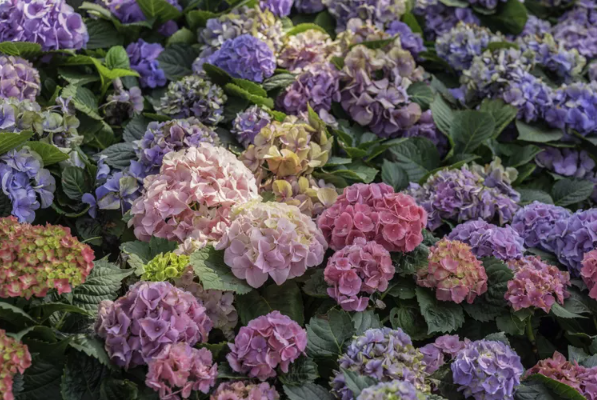
Perennials are plants that return year after year, providing a consistent and vibrant presence in your garden. Unlike annuals that live for a single growing season, perennials establish themselves and continue to thrive, offering a long-term investment in your landscape.
This document guides us on how and when to divide perennials. Some key points from the document: why divide perennials? It mentioned that dividing helps manage plants that spread rapidly. Dividing is a simple and affordable way to propagate more plants and stimulate new growth and improve their overall health. Moreover, this article mentions time lines too and that Spring is generally the best time to divide most perennials. But some, like fall bloomers, can be divided in the fall. If the weather is cloudy it would be better because the soil would be much more moist. It is also linked with a spreadsheet where it shows specific timing for different types of perennials. https://extension.umn.edu/planting-and-growing-guides/dividing-perennials#:~:text=Perennials%20with%20fleshy%20roots%20such,plants%20roots%20to%20become%20established.
Fertilizing perennial plants can promote growth and create healthy, vibrant plants. However, it’s important to avoid over-fertilization which can lead to problems like excessive foliage, reduced blooms and increased susceptibility to pests and diseases. Before fertilizing, consider the specific needs of your perennial plants. Some prefer acidic or alkaline soil, while others can tolerate a wider pH range. Research individual plant requirements or conduct a soil test. While a general-purpose fertilizer is often suitable, organic options are generally preferred due to their slower release and reduced risk of burning plants. Fertilize perennials twice a year: once in early spring to encourage growth and again in early fall to prepare for winter. Additional feedings may be beneficial after pruning or during periods of heavy bloom. Remember: proper watering, pruning, and pest control are also essential for healthy perennial plants. https://www.wilsonbrosgardens.com/how-to-fertilize-perennial-plants.html
When selecting perennials for your garden, consider factors such as your climate, soil conditions and desired aesthetic. Research specific varieties to ensure they are suitable for your growing zone and can thrive in your local conditions.
For in person learning opportunities with VINES, keep an eye on https://vinesgardens.org/events/.