
Plants can extend their growing season beyond their natural limits through a technique known as season extension. This can be especially beneficial in regions with harsh winters or short growing seasons.
Season extension, or protected cultivation, is a vital technique in modern horticulture. It involves using various methods and materials to moderate weather conditions and extend the growing season. This document talks about 10 season-extension suggestions for vegetable growers such as:
- Cool-Weather Crops: Start in low tunnels before field planting.
- Warm-Weather Crops: Plant in high tunnels earlier than field planting.
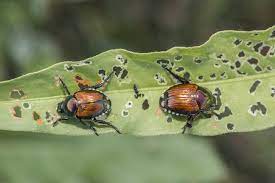
- Pest Protection: Use row covers to protect against pests like flea beetles.
- Shade Protection: Use shade cloth to cool plants during hot weather.
- Soil Preparation: Lay shade cloth on the soil before planting fall crops to improve germination.
- Frost Protection: Keep heavy row covers on hand for unexpected frosts.
- Winter Production: Plant spinach and carrots in hoophouses for winter harvest.
- Overwintering: Plant spinach in low tunnels to overwinter and produce early spring crops.
Extending the season is an essential tactic for market gardeners who want to boost sustainability, reduce risks and raise productivity. Growers may extend their growing seasons and offer fresh, locally sourced vegetables all year round by employing strategies like high tunnels, greenhouses, row covers and cold frames. This article from ReAg tools mentions the following main advantages:
- Enhanced output: Harvesting more continuously and being able to supply produce outside of peak seasons.
- Risk mitigation includes lessening crop losses and protecting against erratic weather patterns.
- The ability to cultivate a greater range of crops, particularly cool-season types, is known as diversification.
- Competitiveness in the market: A tactical benefit in a situation when timing is essential.
- Improved sustainability: Less environmental effect and fewer food miles.
- Better water management, nutrient retention, and energy efficiency are examples of optimized resource utilization.
Market gardeners may succeed, satisfy customer demand and help create a more sustainable food system by using season extension strategies.
For in person learning opportunities with VINES, keep an eye on https://vinesgardens.org/events/.