Hey gardeners!
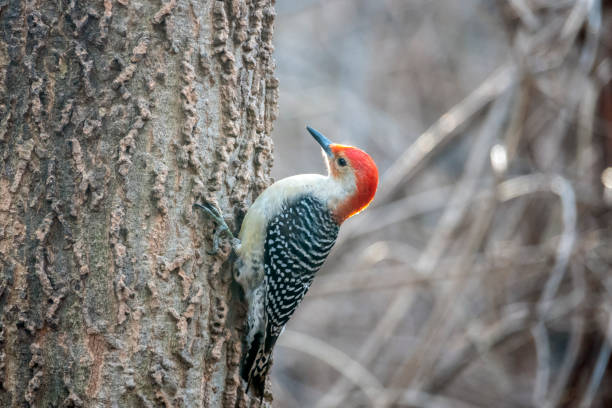
Who doesn’t like birds? They’re gorgeous, lively creatures—fun to watch, nice to listen to, and they can help with pest control and pollination for your garden.
Birds, like all animals, need shelter and food, and so they’ll naturally come to places where they have access to those things. One way to provide that
(and therefore attract more of them) is with native plants.
You do have to be a little careful when choosing what to grow—many plants, like holly, dogwood, azalea, and viburnum, come in multiple varieties: some native, and some non-native. At best, these non-native varieties don’t support the insects that birds rely on for food. At worst, they are actively invasive and will take resources away from native plants.
So, how do you make sure you have the right variety? The best way is to consult a native plant list, and make sure the scientific name of whatever you’re thinking of planting matches the variety on the list. Here’s a link to a native plant database by zip code (there’s a spot to enter your email, but you can leave it blank):
https://www.audubon.org/native-plants
If you want songbirds, you’ll need trees—ideally tall native ones like oak, beech, or hickory, but for slightly “faster” results you can also plant smaller trees like birch or native dogwood (there’s also non-native dogwood, so watch out for that). In a similar vein, planting native shrubs grouped together will offer nesting sites and shelter from predators. Wherever possible, let dead trees stand—in addition to being potential shelter for birds, they’re full of insects to eat!
In a similar vein: planting a combination of trees and shrubs that produce nuts or berries all year long also provides a source of food for birds! For example: black raspberry, common serviceberry, and grey dogwood all produce berries. (As a bonus, black raspberries make a great snack for people too!)
Again, make sure to plant native species—although birds will sometimes eat invasive berries (like autumn olive) as a last resort, they’re not a good food source because they are often lacking in essential nutrients.
Here’s that same database again, but filtered for native plants that produce berries/nuts/seeds: https://www.audubon.org/native-plants/best-results?zipcode=13902&go_to_page=,0
Additionally, if you don’t already have one, consider adding some sort of water feature, such as a pond or birdbath, to give birds a place to drink and bathe!
More about gardening to attract birds:
https://ny.audubon.org/news/spruce-garden%E2%80%94and-attract-and-protect-birds-native-plants
Finally, we’ll be having a workshop about gardening for birds on April 12th! Sign up here: