Hey gardeners!
How important is that spacing recommendation on the back of your seed packets? And what should you be aware of now that some of your seeds are turning into seedings? If you’re planting things like lettuce or carrots and other root vegetables, you might want to think about thinning them to ensure healthy spacing.
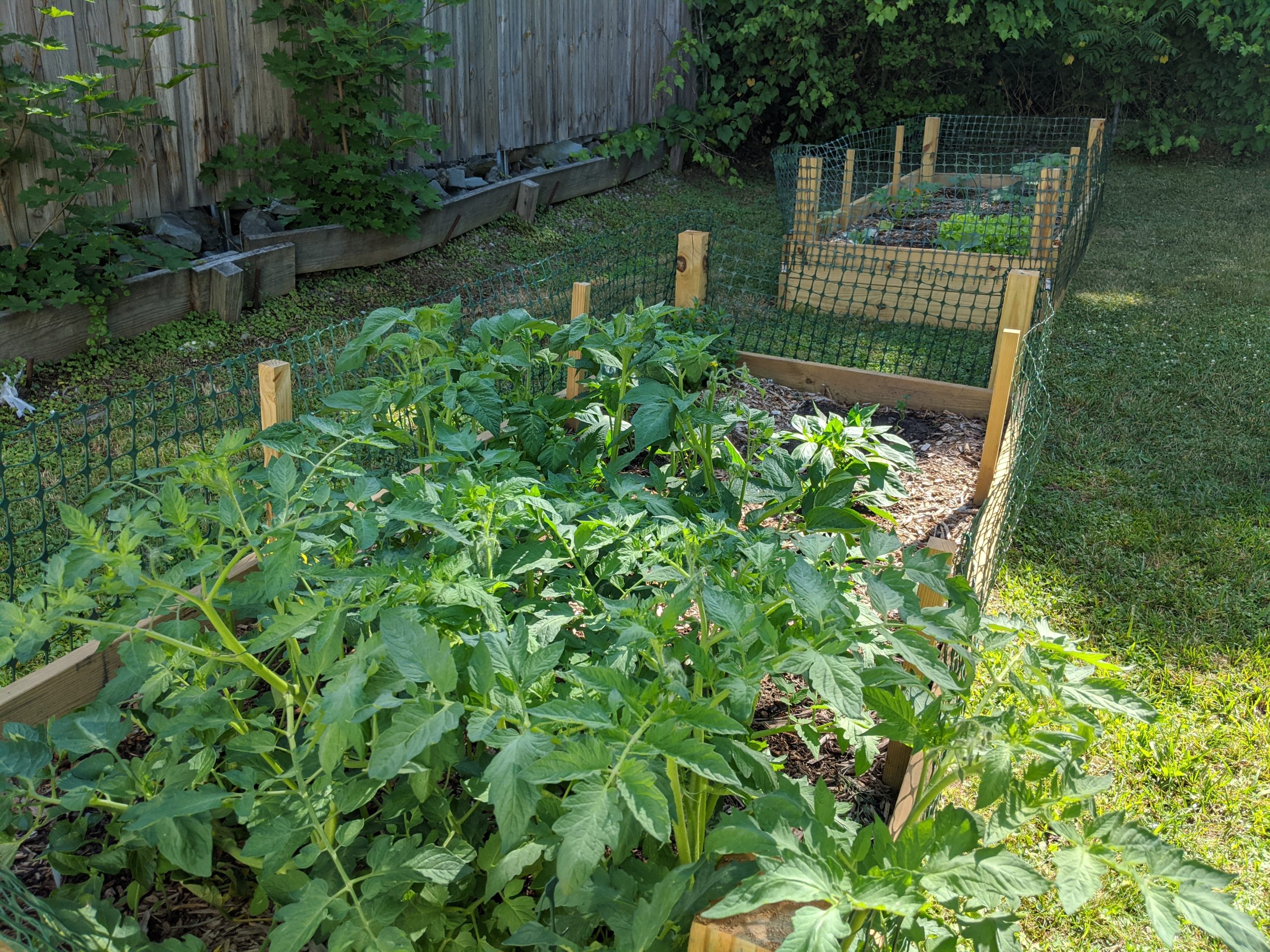
Many sources recommended the simple trick of imagining your fully grown plants when figuring out how to space the seeds in your garden. You might be tempted to fill in all the empty space of a new garden with as many seeds as you can, but it’s important that you are planting your seeds with enough space for their fully matured forms to thrive. Factors like adequate air flow and sunlight access will be directly impacted by these early choices. For an in depth look at the importance and strategies of garden spacing, check out this page from Celtic Farm.
Thinning your garden plants is basically a term for weeding out weaker plants to make more room for your stronger seedlings to grow to their fullest potential. There are a number of reasons why someone might plant more seeds than they’re actually expecting to harvest, and thus requiring future thinning.
Suppose not every seed you plant actually germinates, then it’s a good strategy to plant an extra seed or two so you don’t have a void where you planned for a vegetable in your spacing. But maybe both end up sprouting! Or maybe you accidentally planted too many of a super small seed. Either way, thinning can help you make the most of your efforts and the space in your garden.
Check out this video from MIgardener for a nice explanation on some of things to consider when thinning different plants. He explains thinning at different stages for different plants. When growing lettuce in a small raised bed, for instance, he suggests maybe not thinning at all. If you’re not concerned with large, distinct heads of lettuce, this would allow you to maximize the leaves on your small space.
He goes on to explain the benefits of waiting until later stages of development to thin root vegetables, like rutabaga, carrots or beets. If you find that your root vegetable has grown two roots in virtually the same space, you can let the smaller one grow to an edible size and harvest for immediate consumption, and leave the other to grow on for weeks and weeks longer.
For an even more in depth look at different thinning stages, even considering sprouts in seed starting cells and some spacing tools you could use, check out this post from Gardenary.
For upcoming in-person learning opportunities, keep an eye on https://vinesgardens.org/events/.