Pruning and clearing crop residue isn’t just about tidying up. It’s a crucial step in sustainable agriculture. These remnants can be turned into valuable resources like compost, mulch, or even biofuel. By properly managing crop residue, farmers can improve soil health, reduce waste, and contribute to a greener future.
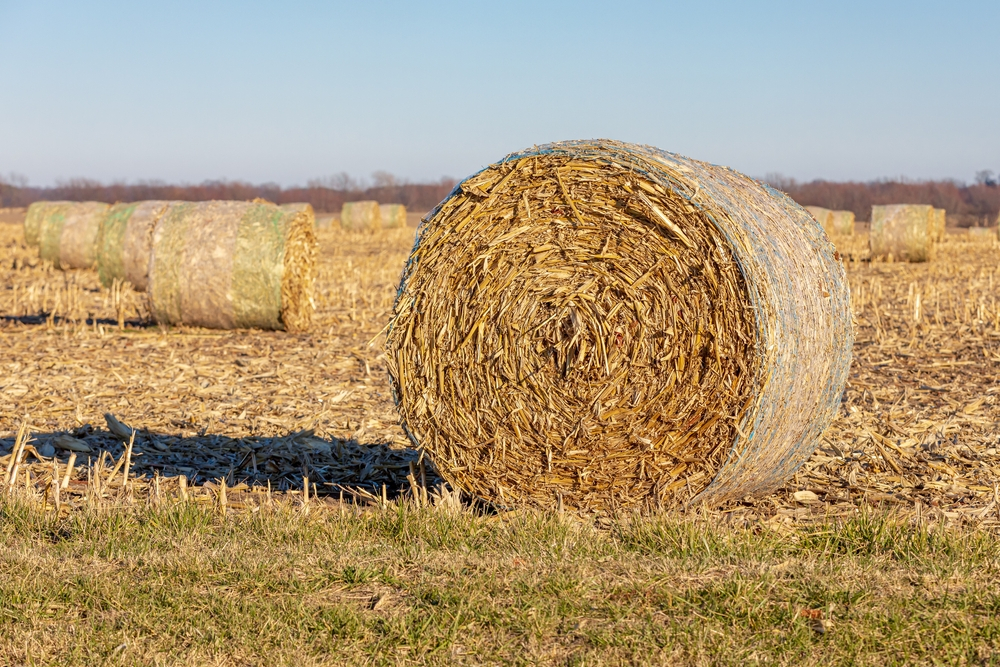
Crop residues, the remnants of crops like stalks, leaves, and roots, can be managed through various methods to improve soil structure, water infiltration and retention, and reduce erosion. Crop residue management involves handling the organic matter left after harvest to enhance soil health, improve crop yield, and protect the environment. It includes practices like retaining residues on the field to prevent erosion, incorporating them into the soil to improve fertility, and using them as mulch to conserve moisture. Common crop residues in the USA include corn stover, wheat straw, soybean stubble, rice straw, cotton gin trash, and peanut shells. These residues have multiple uses, such as livestock feed, soil amendment, and bioenergy. The document is a comprehensive guide to crop residue management, focusing on its importance in organic farming and soil health. https://kellytillage.com/us/crop-residue-management-a-comprehensive-guide/
After harvesting veggies, some individuals burn the crop area, but it’s vital to consider the long-term repercussions. According to some research, it is detrimental to the soil. The article provides a comprehensive overview of the controversial practice of burning crop residue in the Arkansas Delta. It discusses the environmental and economic implications of this practice, highlighting the negative impacts on soil quality and air quality. The article also emphasizes the importance of adopting conservation tillage practices and retaining crop residue to improve soil health and reduce input costs.
Key points from the article:
- Burning crop residue can negatively impact soil quality by reducing nitrogen, sulfur, phosphorus, and potassium levels.
- Burning can also lead to less crop residue for bacteria and fungi to decompose, which helps build soil aggregates and create slow-release nutrients.
- Retaining crop residue on the fields can improve soil health by increasing soil organic matter and total carbon.
- Burning crop residue can be more costly than previously thought, as it can lead to a loss of valuable nutrients.
- Conservation tillage practices and not burning crop residue can help build soil organic matter and nutrients over time, improving soil health and reducing input costs.
For in person learning opportunities with VINES, keep an eye on https://vinesgardens.org/events/.