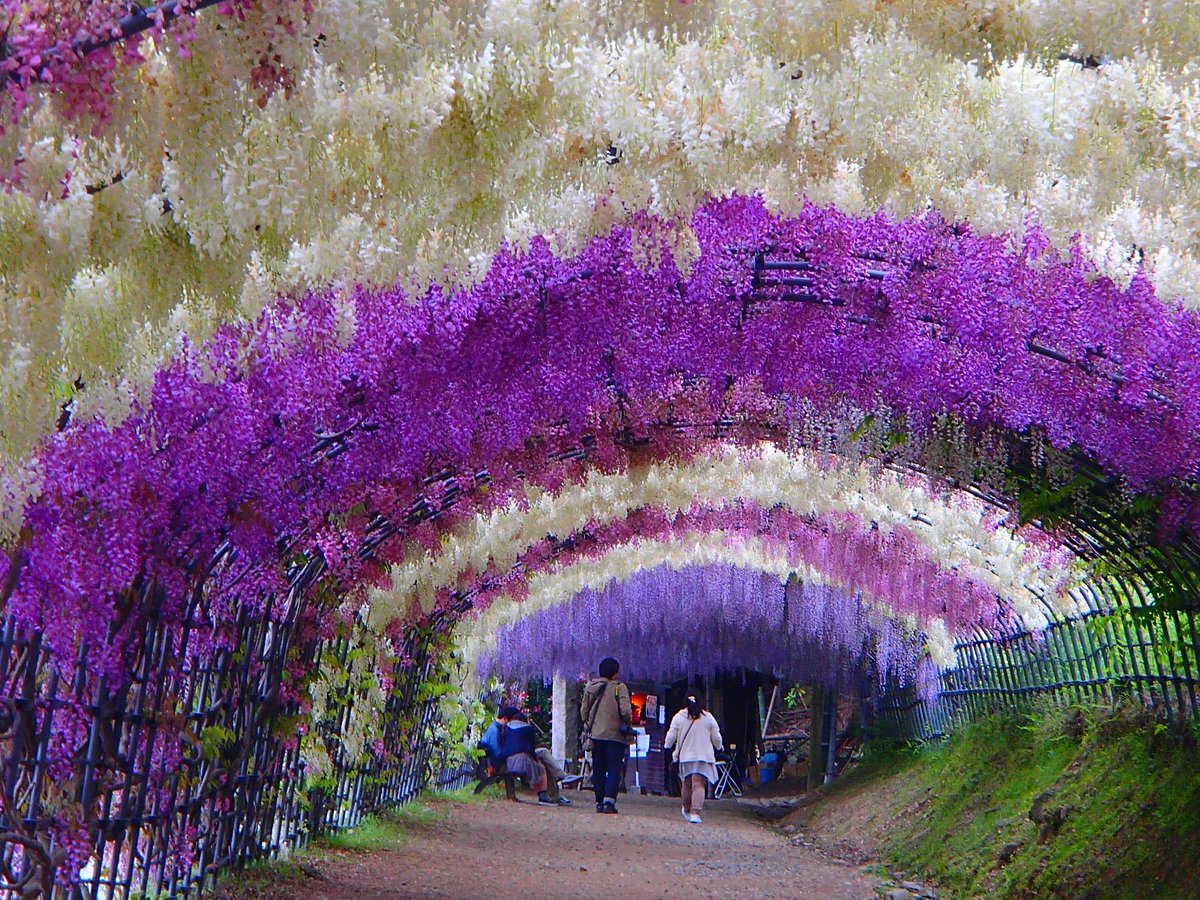
The gorgeous vine wisteria is well-known for its fragrant flower clusters that cascade downward. The world of wisteria has a lot to offer in terms of knowledge and inspiration, regardless of your level of gardening experience or your desire to just enjoy the beauty of nature. These Japanese gardens illustrate some of the beauty and potential of this plant: https://www.tokyolocalized.com/post/best-wisteria-gardens-in-japan
Although it is not necessary for survival, wisteria has several advantages that improve both our surroundings and our quality of life. Wisteria contributes to biodiversity by giving pollinators like bees and butterflies a place to live. It can also aid in preventing erosion and stabilizing the soil. Wisteria may also have therapeutic or culinary uses, boosting regional economies. Wisteria is a deeply ingrained cultural emblem of longevity, love, and good fortune in many parts of the world.
Japan: Wisteria is frequently connected to long life and longevity in Japan. During the Hanami celebration, wisteria is honored as a beloved springtime symbol, and attendees enjoy picnics among blossoming trees. In traditional Japanese gardens, wisteria is frequently trained to build elaborate structures and cascades.
China: It is seen as a representation of love and affection in Chinese culture. In Chinese poetry and literature, wisteria is commonly referenced and is frequently associated with beauty, grace, and feminine appeal.
North America: Wisteria is a highly common ornamental plant in North America, especially in the southern states. Wisteria is valued for its beauty and can have personal symbolic importance, even though it is not as ingrained in North American society as it is in Asian culture.
For in person learning opportunities with VINES, keep an eye on https://vinesgardens.org/events/.